Before placing an order with a Chinese supplier, send the product details to your customs broker in Mexico to confirm whether it can be imported and what requirements you need to meet. Along with the product name and photos, provide the material, specific use, model, and technical specifications. For example, if you are buying machinery parts, identify the part, what it is made of, and the type of equipment it is used in, rather than simply describing it as “machinery parts.” This information helps determine the Mexican tariff classification (fracción arancelaria) and corresponding NICO code. It also provides the basis for checking import duties, other taxes and fees, import restrictions, and antidumping duties. The HS code provided by your Chinese supplier can serve as a reference, but you should not copy it directly onto a Mexican customs declaration or use it alone to estimate import costs.
Once the tariff classification is confirmed, review the product’s specific requirements, including any applicable Mexican Official Standards (NOMs), Spanish-language labeling, or import permits, and account for them when arranging the purchase. If the supplier says the product is “already certified,” check which models and standards the certificate covers and confirm whether it meets Mexico’s requirements. If additional testing, certification, or labeling changes are needed, agree when placing the order on who will handle them, who will pay, and how much time to allow. Otherwise, missing documents or noncompliant labels discovered after the goods arrive in Mexico could delay customs clearance. While those issues are being resolved, storage charges may continue to accumulate on top of testing and corrective costs. Full-container ocean shipments may also incur container detention and related charges. If the goods ultimately cannot meet the import requirements, they may need to be shipped back, affecting both the purchase costs and delivery schedule you had already planned.
Tariff Code Lookup:
Before the shipment leaves China, determine who will import the goods into Mexico. A customs broker can handle the declaration process, but the customs entry must still identify an importer responsible for the applicable tax and compliance obligations.
If you plan to import under your own company’s name, providing the customs broker with an RFC tax ID is not enough. You also need to verify that your company is registered in Mexico’s Importers Registry (Padrón de Importadores), that its registration is active, and that its electronic signature and tax status meet the applicable requirements. Certain products also require registration in a sector-specific importers registry. Having imported other goods before does not necessarily mean your company can clear the products in this order.
If you have not completed registration and plan to purchase through a third-party importing company, first understand how the transaction will be structured. For example, if that company will import the goods and then resell them to you, confirm how payment will be handled, what type of invoice it can issue, and what delivery records it will provide. If the quote simply says “customs clearance included,” ask who will be named as the importer on the customs entry, what the fees cover, and who will handle any customs inspections or documentation issues. These arrangements affect the documents you receive and how you record the transaction in your accounts. Whether the goods can be delivered should not be your only consideration. Looking for an importer after the goods arrive, or changing importers at the last minute, may require document revisions and another review, adding time and cost to customs clearance.
Once you have determined who will act as the importer, you can finalize the order with your supplier. At this stage, you need to confirm more than the price: you also need to establish whether the products delivered will meet your requirements. An acceptable sample does not guarantee that the production shipment will match it. Specify the material, dimensions, model, functionality, quantity, and packaging in the purchase order. Any drawings or approved samples should also serve as acceptance criteria. If certain materials or components cannot be substituted, state that in advance so the supplier does not make changes during production without your approval.
After confirming the product requirements, check what the quoted price covers so you can calculate the actual cost of the purchase. For example, if one supplier quotes EXW and another quotes FOB, you cannot compare the prices directly even when the product specifications are identical. Responsibility for pickup in China, export formalities, and other charges may differ. State the trade term and the specific delivery location or port in the order, then ask your freight forwarder to calculate the remaining transportation costs. For a CIF quote, also confirm how destination port charges in Mexico, customs clearance, taxes, and delivery will be handled. “Freight included” does not mean there will be nothing left to pay before you receive the goods.
| Incoterm | Costs Paid by the Seller | Costs Paid by the Buyer |
|---|---|---|
| EXW (Ex Works) | Goods and packaging, ready for collection at the agreed location. | Loading onto the collection vehicle, inland transport in China, export formalities, international shipping, and destination costs. |
| FOB (Free on Board) | Goods, export formalities, and all costs up to loading the goods on board the vessel at the agreed port of shipment. | Ocean freight, insurance (if purchased), destination port charges, import customs clearance, duties and taxes, and local delivery. |
| CIF (Cost, Insurance and Freight) | Costs covered under FOB, plus ocean freight and minimum cargo insurance coverage to the agreed destination port. | Destination charges not covered by the contract of carriage, import customs clearance, duties and taxes, and local delivery. |
Note: FOB and CIF apply only to sea and inland waterway transport. Under both terms, risk transfers to the buyer when the goods are loaded on board the vessel at the port of shipment. CIF does not include all destination costs.
Once the costs and delivery responsibilities are agreed, arrange payment and inspection accordingly. Before paying, verify the company named in the contract and the account receiving the funds. If the supplier requires the balance before shipment, schedule the inspection early enough to allow for corrections and reinspection. Include the delivery date, how quality issues will be resolved, and who will pay for rework in the order. This helps avoid discovering problems just before container loading and then feeling pressured to approve shipment because of sailing schedules and payment arrangements. Once the goods leave China, resolving incorrect shipments or quality disputes takes more coordination, while replacements, repairs, or return shipping can add costs.
The supplier’s unit price is only part of the purchase cost. Before placing an order, calculate how much it will cost to ship the goods from China, clear them through Mexican customs, and deliver them to your warehouse. Start with the supplier’s quotation and identify the charges already included. Then obtain separate quotes from your freight forwarder and Mexican customs broker to account for pickup, export handling, international freight, insurance, import duties and taxes, customs clearance, and delivery. If inspections, storage and consolidation, reinforced packaging, or product certification carry additional charges, include those in your budget as well.
When requesting freight quotes, use the packed weight and dimensions whenever possible. The product’s net weight can differ considerably from the actual shipping weight, and pallets or wooden crates add both weight and volume. If the supplier has not finished packing, provide the estimated number of packages, dimensions per package, and gross weight for an initial estimate, then verify the figures after packing is complete. Provide the exact delivery address in Mexico and confirm where the quoted service ends. A low ocean freight rate does not necessarily mean a low overall transportation cost. For LCL shipments in particular, check destination deconsolidation, handling, and cargo release or pickup charges. If the quote includes delivery to your warehouse, confirm whether delivery appointments, unloading, and any special vehicle charges are included.
With the goods’ value and transportation costs available, your Mexican customs broker can estimate import duties and taxes. This is not simply a matter of multiplying the purchase price by a fixed percentage. The customs value may need to include freight, insurance, and other items. The taxable base for import VAT (IVA) also extends beyond the goods’ value to include import duties and other legally required taxes and charges. The quote should separately identify import duties, IVA, the customs processing fee (DTA), and any other applicable items. Ask your accountant in Mexico whether any IVA may be creditable. This helps you avoid treating the entire amount paid at clearance as a final cost—or failing to set aside enough cash because some of the tax may be credited later.
Finally, allocate these costs to each unit and compare the result with your expected selling price. For small orders, pay particular attention to customs clearance, documentation, and handling fees charged per shipment or subject to minimum charges. Shipping less does not necessarily reduce those fees. Also check quotation validity, currency conversion and payment fees, and the free time allowed by warehouses, ports, and container providers, along with the charges that apply afterward. Calculate the cost of receiving the shipment under normal conditions, then assess how much margin would remain if there were a customs inspection or pickup delay. This gives you a clearer basis for deciding whether the order is worth placing.
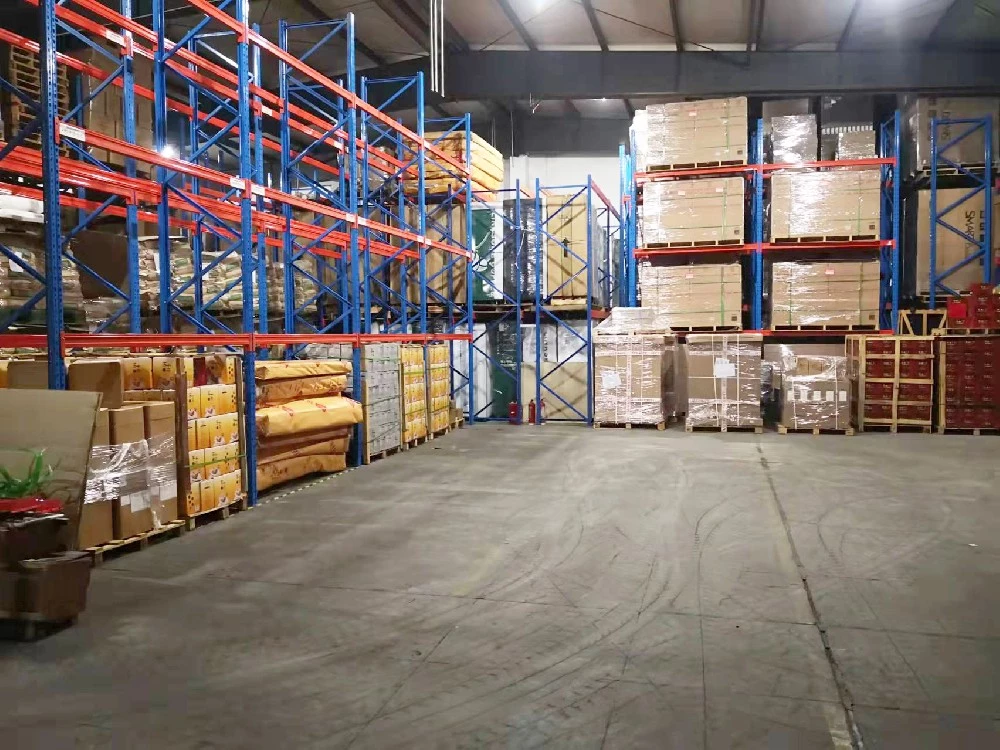
Once the goods are ready, check the quantity, models, specifications, and quality against the purchase order. Then confirm that the packaging can withstand handling, stacking, and long-distance transportation. If a warehouse will receive the goods on your behalf, specify in advance whether cartons need to be opened and which items should be checked during any sampling inspection. A warehouse confirmation stating “10 cartons received, outer packaging intact” only confirms receipt and the visible condition of those cartons. It does not establish that the products inside are correct or free of defects. When combining goods from multiple suppliers, verify each supplier’s package count, weight, and item details separately, and mark the package numbers clearly to support loading, customs declarations, and receiving checks.
After inspection, prepare the commercial invoice (factura comercial) and packing list (lista de empaque) based on the actual shipment. The invoice should clearly identify the buyer and seller, specific products, models, quantities, unit prices, total value, and currency. The packing list should show the total number of packages, what each contains, and the corresponding weights and dimensions. For example, if a shipment contains three models, list them separately rather than giving only a combined quantity. If quantities are reduced, models are changed, or accessories are added while preparing the order, update the documents accordingly instead of reusing the original quotation.
Send the invoice, packing list, and any required permits, NOM compliance documents, certificates of origin, or other supporting documents to your Mexican customs broker for review in advance. Whether a certificate of origin or another document is needed depends on the goods and declaration requirements; the requirements are not identical for every shipment. The ocean bill of lading or air waybill will be issued by the transportation provider according to its procedures once the shipping arrangements are confirmed. Before issuance, verify the shipper, consignee, package count, and weight. Confirm with your customs broker which electronic records must be submitted for clearance and when they are due. Sending over a few documents does not necessarily mean all preparations are complete.
When checking these documents, make sure each item can be matched to the physical goods and the corresponding customs declaration details. Avoid describing different products collectively as “parts,” and do not ask the supplier to lower the invoice value to reduce taxes. If customs finds that quantities, models, or values do not match the declaration, it may request additional documents, review the value, or require corrections. Depending on the circumstances, additional duties, taxes, and penalties may apply. Release may also be delayed, allowing storage and other charges to accumulate. Correcting errors before shipment is usually easier than coordinating a resolution among the supplier, freight forwarder, and customs broker after the goods arrive in Mexico.
Shipping options from China to Mexico include full-container ocean freight (FCL), less-than-container-load ocean freight (LCL), air freight, and international express shipping. Ask the supplier for the packed weight, dimensions, and estimated cargo-ready date, then tell your freight forwarder the latest date you need to receive the goods. This allows you to compare workable options. When requesting quotes, distinguish between the minimum shipment size a provider accepts and its minimum billable quantity. A shipment may be accepted even if it falls below the minimum billing threshold, but the minimum charge will still apply.
Less-than-container-load ocean freight (LCL) suits orders that do not require a full container and have more flexible delivery schedules. A common minimum billable volume is 1 cubic meter (CBM). For example, a shipment measuring only 0.6 CBM may still be accepted for consolidation, but some charges may be calculated on 1 CBM. For heavier cargo, the chargeable amount also depends on the applicable weight-to-volume calculation. The specific rules should be confirmed in the quote for that route. China-Latin logistics Co., Ltd When reviewing the quote, include destination deconsolidation, handling, and pickup charges. For very small shipments, these charges can make ocean freight more expensive overall than another shipping method.
Full-container-load ocean freight (FCL) means booking an entire container. Common options include 20-foot, 40-foot, and 40-foot high-cube containers. You do not have to fill the container to ship it, but you still pay the applicable full-container charges even if there is unused space. If the total LCL quote is already close to the total cost of FCL, compare both options. Consider whether the goods can be stacked, their loading and unloading requirements, and the delivery schedule. There is no need to wait until you have exactly enough cargo to fill a container.
Air freight is mainly used when ocean freight cannot meet the delivery deadline. Our air freight service has a minimum shipment weight of 100 kilograms. This is our company’s acceptance requirement, not a universal standard for all air freight services. Freight charges depend on the gross weight and packed dimensions. Lightweight, bulky goods may be charged by volumetric weight. If the products contain batteries, liquids, powders, or magnetic materials, disclose this when requesting a quote and confirm the required documents and acceptance conditions before handing over the goods. The quote should also specify the destination airport and whether destination airport handling, customs clearance, and delivery are included.
International express shipping can generally be arranged for a single package and suits samples, spare parts, and some small orders. Charges depend on the selected service’s minimum charges and billing rules. However, a small package is not automatically ready to ship. Confirm in advance whether the product is accepted, whether each package meets the weight and size limits, and what customs clearance information the recipient in Mexico must provide.
Once you have chosen a shipping method, give your freight forwarder the product details, package count, gross weight, dimensions of each package, supplier’s address, destination city or postal code in Mexico, and required delivery date. Confirm the scope and validity of the quote. If you need warehouse delivery, provide the exact address and specify whether an appointment or unloading arrangements are required. In particular, ask when the quoted transit time starts. Sailing or flight time does not cover the entire shipping process. Allow time for pickup, export formalities, Mexican customs clearance, and final delivery. If the goods are needed for a specific sales or production date, do not plan their use around the estimated port or airport arrival date alone.
Next, confirm who will collect the goods, where delivery will take place, and who will handle the export declaration under the agreed trade terms. Have the supplier submit the required information on time. For ocean freight, pay attention to cargo receiving, shipping instruction, and customs clearance cutoffs. For air freight, confirm cargo handover and documentation deadlines. If goods from multiple suppliers will ship together, check each supplier’s readiness before deciding where to consolidate the shipment. Otherwise, one unfinished order could hold up all the other goods.
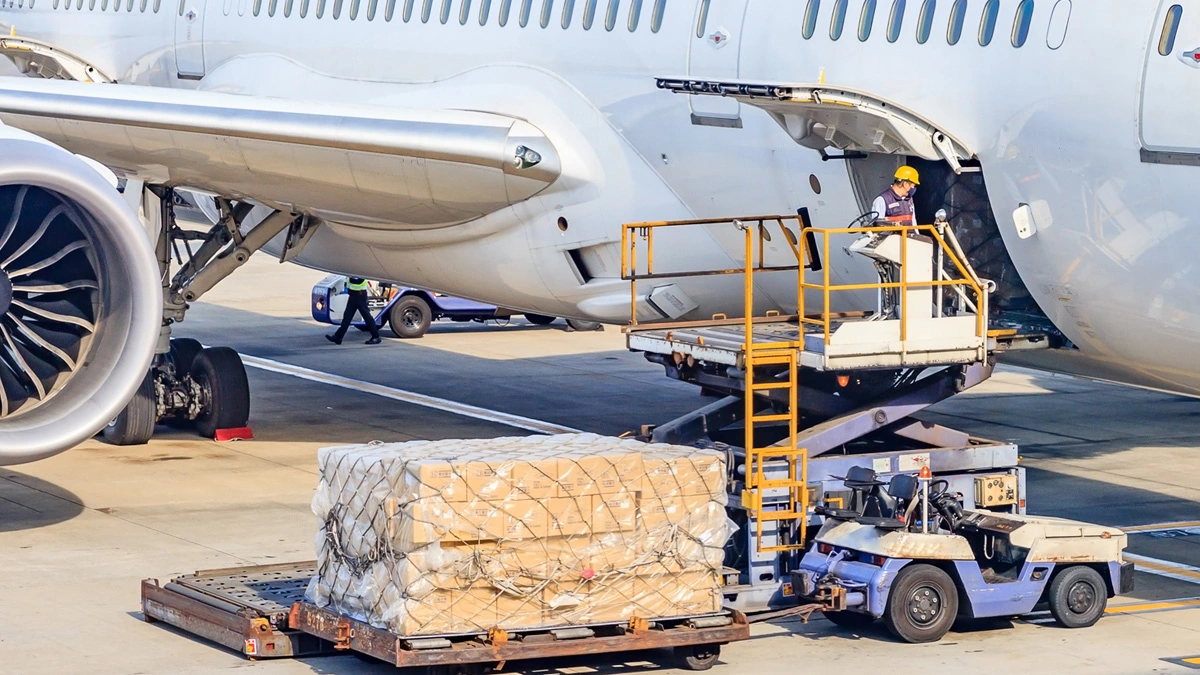
Before the goods arrive in Mexico, make sure your customs broker has the final commercial invoice, packing list, transport document, and any required permits and compliance documents. The broker should review the importer’s information, shipment details, and declared value in advance. If anything is missing or inconsistent, contact the supplier or freight forwarder promptly to make corrections, and confirm the amount due for duties and taxes and how payment will be arranged. This allows the declaration process to move forward after arrival without being held up by missing documents or unpaid taxes.
Using these documents, the customs broker prepares the import customs entry (pedimento de importación), submits it for validation, and arranges payment of duties and taxes. The entry records the importer, goods, tariff classification, declared value, and applicable duties and taxes. The importer should review the key details and retain a copy after the process is complete. When paying, ask the broker for an itemized breakdown separating import duties and taxes, brokerage fees, and port or airport handling charges. Confirm whether any amounts remain outstanding.
After duties and taxes are paid, the goods must still go through customs’ inspection selection process. If selected for inspection, the customs broker will coordinate the examination and provide explanations or additional documents as requested by customs. An inspection does not in itself mean there is a problem with the shipment, but you need to allow time for it. If the physical goods differ from the declaration, the discrepancy must be addressed as required. Payment of duties and taxes alone is not enough to arrange pickup.
You can contact a domestic transportation provider in Mexico in advance, but finalize pickup only after the customs broker confirms that customs has released the goods, the carrier has authorized cargo release, and the terminal or warehouse formalities are complete. Notify the receiving warehouse so it can arrange unloading. For FCL shipments, also coordinate the return of the empty container. This helps prevent additional storage and container-use charges when the goods are available for pickup but the truck, warehouse, or unloading arrangements are not ready.
When the goods arrive, first check the package count, package numbers, and outer packaging. Then inspect the contents against the packing list and purchase order. If you find damaged cartons, signs of moisture, unusual or compromised seals, or missing packages, note the specific issues on the delivery receipt. Photograph the outer packaging, labels, and damaged areas, and notify the transportation provider and freight forwarder promptly. Even if the outer packaging is intact, continue checking the product quantities, models, specifications, and quality. If you discover problems after opening the packages, retain the packaging, damaged goods, and inspection records. Depending on the issue, contact the supplier, transportation provider, or insurer and submit the supporting information within the applicable notification and claim deadlines.
After inspection, organize the receiving records together with the import documents for that order. If you imported under your own name, obtain the import customs entry (pedimento de importación), associated electronic attachments, and tax payment records from your customs broker. Also retain the commercial invoice, packing list, transport documents, and any applicable permits and compliance documents. If you purchased through a third-party importing company, obtain the appropriate invoice, delivery records, and any required proof of lawful sourcing for the actual transaction. Check that the product details in those records match the goods received.
These records remain useful after delivery. Mexico has documentation requirements for the lawful possession, transportation, and handling of foreign goods. You may need to provide the relevant records when moving the goods again, recording the transaction in your accounts, or responding to an official review. Keep purchasing, payment, import, and warehouse receiving records linked by order, and maintain electronic backups so you do not have to contact multiple parties to recover them later.
For first-time buyers importing from China to Mexico, a few checkpoints deserve particular attention: before paying, confirm whether the product can be imported and who will act as the importer; before finalizing transportation, calculate the costs and agree on responsibilities; and before shipment, check the physical goods, documents, and labels. Addressing these issues early helps reduce last-minute paperwork, additional costs, and delivery delays after the goods arrive in Mexico.

 Español
 English
 Português