Main Forms of Bill of Lading (BL) Issuance
2026-02-13 15:22
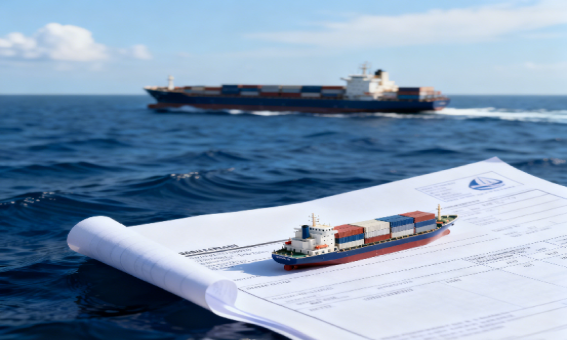
In international trade and maritime transport, the main forms of issuing a Bill of Lading (BL) are distinguished by their requirements, security features, and applications, which are specified as follows:
1.Original Bill of Lading
It is the most secure form in international trade and maritime transport, issued by an authorized entity that is either a shipping company or its agent, with the visible indication "ORIGINAL". It is generally provided in 3 copies, all of which hold internationally recognized legal validity. To take delivery of the goods at the port of destination, the consignee must present a physical original copy, as this document alone confirms the legal ownership of the cargo. It is ideally used in transactions requiring high security, although it involves considerations such as costs associated with document delivery and the need to manage essential paperwork in advance.
2.Telex Release Bill of Lading
This form is activated upon the request of the exporter and identified by the "SURRENDERED" or "TELEX RELEASED" stamp on the BL. Taking delivery of the goods only requires a copy of the BL and a valid identity document, with the shipping company sending prior notification to its agent at the destination port. It is the preferred option for short routes, offering the benefit of optimizing logistics processes.
3.Sea Waybill (SWB)
It is issued exclusively by the shipping company in a single original copy. It does not serve as a document of title to the goods, so delivery only requires a valid identity document matching the details on the Waybill. It is limited to specific cases such as stable business relationships, as it entails significant risk for the exporter due to the loss of control over the goods, resulting in minimal adoption in international trade.
These three BL forms address distinct needs in maritime trade: the Original BL ensures security for high-value goods, the Telex Release accelerates processes for short-haul or urgent shipments, and the SWB is only used in trusted relationships with inherent risks for exporters. The choice depends on the value of the goods, urgency, and trust between parties, while maintaining the smooth flow of trade.
Written by Ming

 Español
 English
 Português